
The storms that do it here
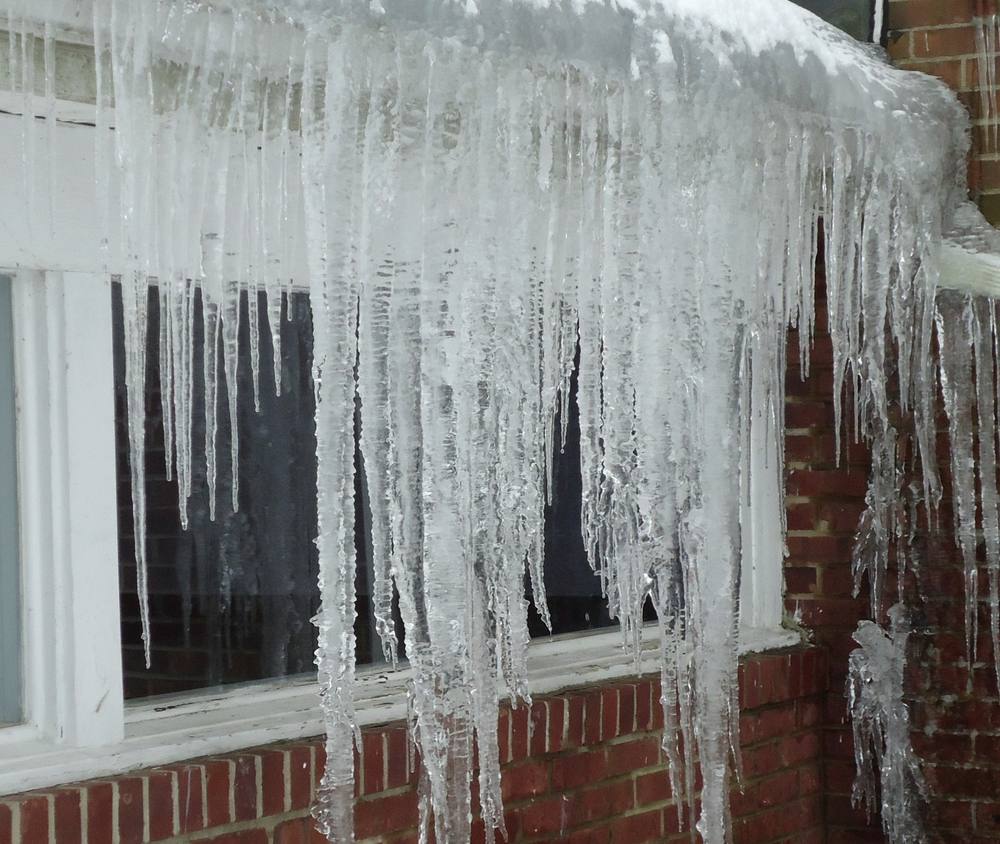
Nor'easters do most of the damage on Long Island. They blow rain sideways for a day or two, into flashing, around chimneys and through windows that never leaked before. Ice dams come next. Snow melts on a warm roof, refreezes at the cold edge, and water backs up under the shingles and into the ceiling along the outside wall.
In late summer and fall it's tropical storms: wind, falling trees and surge. On the South Shore and in low spots on the North Shore, a storm at high tide can put salt water into garages and basements.
First things
- Stay away from downed wires. Assume any water near them is live.
- Photograph the outside from every side, then the inside, before anything gets cleaned up.
- Put buckets under drips and poke a small hole in a sagging, water-filled ceiling so it drains into the bucket instead of coming down.
- Keep receipts for tarps, pumps and anything else you buy.
Flood water is different
Water that came in from outside carries dirt, sewage and, near the bays, salt. Carpet, pad, insulation and drywall it touched usually have to come out rather than be dried in place. Everything left gets cleaned and treated before drying starts.
What we do
- Roof tarping and board-up
- Pumping and extraction
- Mud and debris removal
- Removing flood-soaked materials
- Drying with dehumidifiers and air movers, checked daily
- Roof, siding, window and interior repairs
Questions people ask
Is flood damage covered by homeowners insurance?
Usually not. Water coming in from outside is normally a separate flood policy. Wind and rain coming through a storm-damaged roof are often handled differently. Your agent can tell you what you have.
Should I wait until the storm passes to call?
No. Call when it's safe to talk. We can line up tarping and pumping as soon as conditions allow.
Can you tarp a roof in the rain?
If it's safe to be on the roof, yes. In high wind we wait until it drops and protect the inside first.
Do ice dams mean I need a new roof?
Not usually. They mean heat is getting into the attic and melting the snow. Insulation and ventilation fix it. The ceiling and the wall below still need drying.