
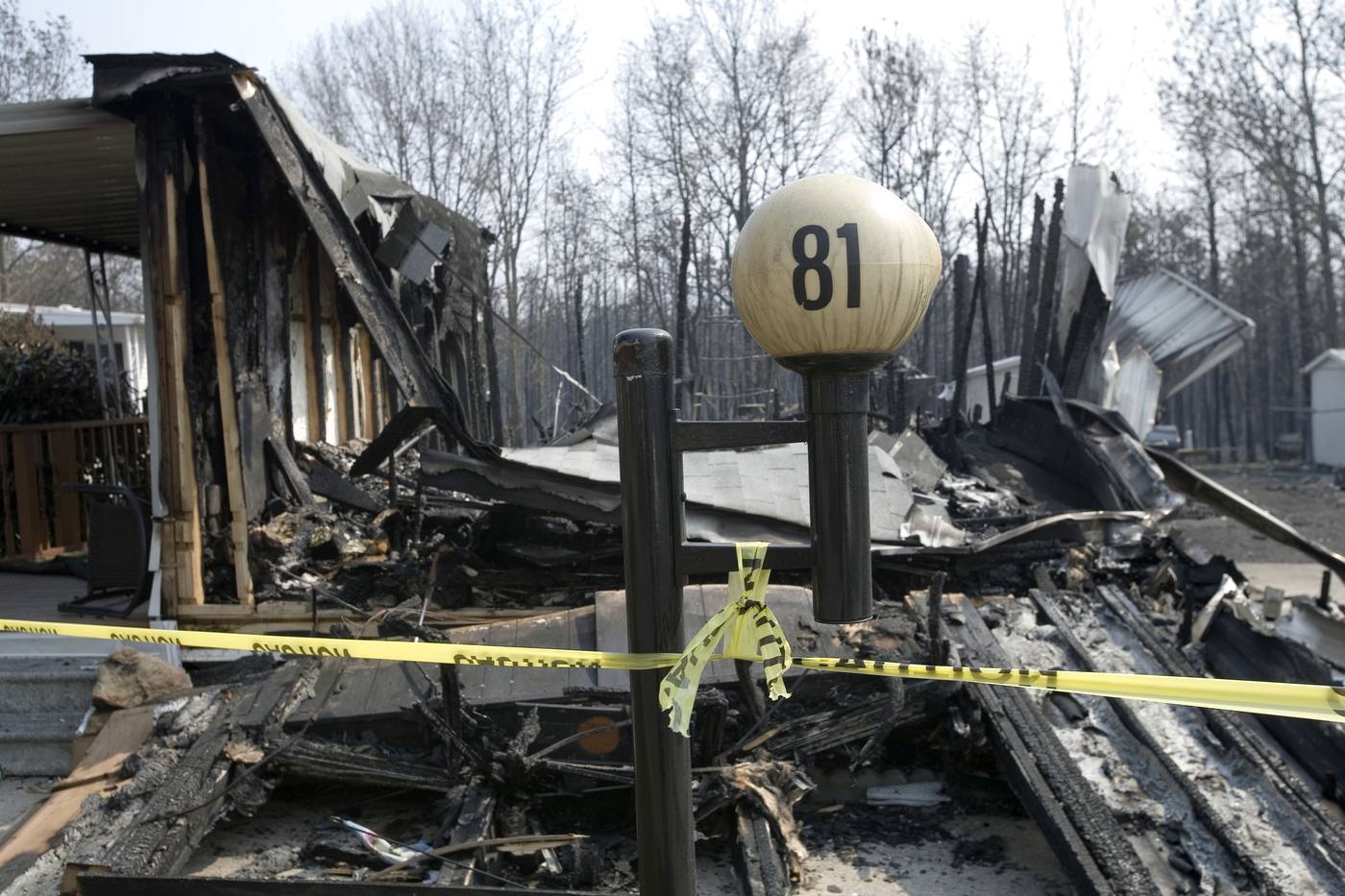
Right after the fire
- Don't go back in until the fire department says the building is safe.
- Don't turn the heat or AC on. The blower will push soot through every duct in the house.
- Don't wipe soot off walls, lampshades or furniture. It smears and sets in.
- Don't eat food that was in the room, including what was in an open pantry.
- If the windows or roof were broken out, the building needs to be boarded and tarped the same day.
How we handle it
First the building gets secured. Then we walk every room, because smoke goes where air goes: up stairwells, into closets, through outlets and recessed lights. We test surfaces to see what kind of residue we're dealing with. A protein fire from a burned pot leaves an almost invisible greasy film with a strong smell. A plastic or electrical fire leaves black, sticky soot.
Cleaning starts dry, with chemical sponges and HEPA vacuums, then wet cleaning matched to the surface. Anything that can't be cleaned, like charred framing or insulation that soaked up smoke, comes out. Odor gets handled at the source with cleaning and sealing, plus air scrubbers while we work. Sprays that cover the smell wear off in a week.
Then we rebuild what was lost.
Water from putting it out
A fire hose puts hundreds of gallons into a house in a few minutes. That water ends up in the floors and walls below the fire. It has to be dried just like a burst pipe, on top of the smoke work, or you get mold behind the new drywall a month later.
Questions people ask
Can I stay in the house?
After a small stovetop fire, often yes, with the kitchen closed off. If smoke reached the bedrooms or the electrical was damaged, plan on staying somewhere else for a while.
Will my clothes smell forever?
No. Most clothing and fabric cleans up well. Don't run it through your own washer first. Home detergent can set the smell.
Do you clean the ducts?
Ducts need cleaning after most fires. We arrange it as part of the job so the system doesn't put soot back into a clean house.
How long does the smoke smell last after cleaning?
If the source is cleaned or sealed, it should be gone when the job is done. If it comes back on a humid day, something was missed, and we go back and find it.
Do I need a pack-out after a small kitchen fire?
Usually not. Kitchen contents and the cabinets get cleaned in place. Pack-outs make sense when smoke reached bedrooms and closets.